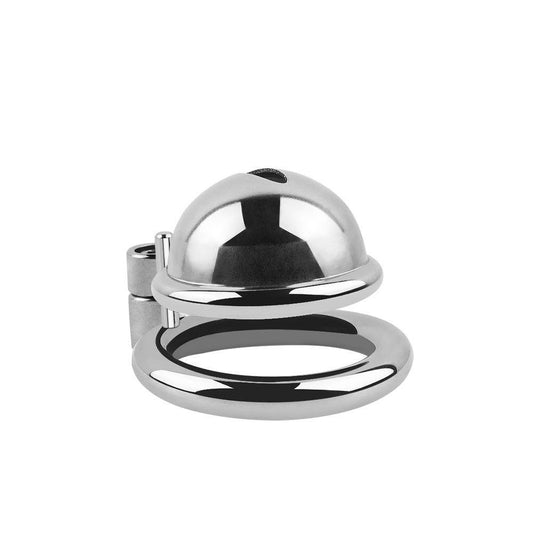
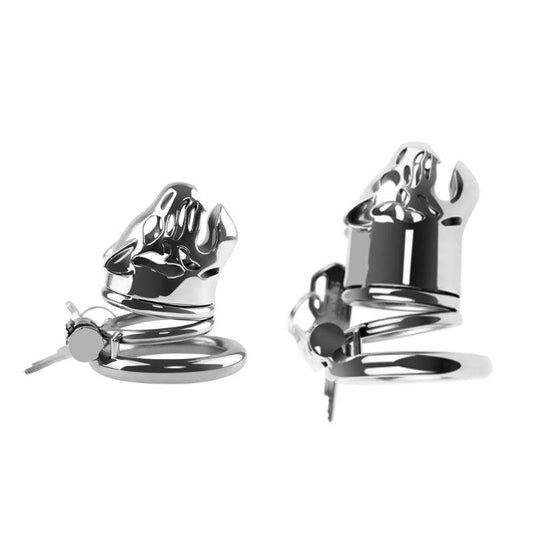
Wearing a chastity cage can be an exciting and empowering experience, but like any physical practice, it requires careful attention to safety. The question of whether chastity cages can cause injury is a valid concern, especially for beginners or those unfamiliar with proper usage. If used improperly, a chastity cage can lead to discomfort, chafing, or even more serious injuries, but these risks are generally avoidable with the right precautions.
In this post, we will explore the potential risks associated with wearing a chastity cage and offer practical tips to help you avoid injury, ensuring a comfortable and safe experience. By following best practices, you can minimize the chance of harm and enjoy the benefits of chastity play without worry.

1. Choosing the Right Size for Safety and Comfort
The most common cause of discomfort or injury while wearing a chastity cage is an improper fit. A chastity cage that is too tight or too loose can cause a variety of issues, including pain, chafing, and restricted blood flow.
How an Incorrect Fit Can Cause Injury:
- Too tight: A cage that is too small or too tight can restrict blood flow, leading to numbness, tingling, and even tissue damage in extreme cases. Tight devices can also cause painful pinching or chafing, leading to skin irritation and sores.
- Too loose: A cage that is too loose may move around too much, leading to discomfort from rubbing or chafing. It may also be more prone to shifting or becoming dislodged, which can cause injury if it gets caught or pinched in clothing.
How to Avoid Fit-Related Injury:
- Measure accurately: Ensure you measure both the length and girth of your penis properly before selecting a chastity cage. This will help you choose a device that fits snugly but not too tightly.
- Consider adjustable cages: Some chastity cages come with adjustable features, such as rings or locks that can be fine-tuned for a more comfortable fit.
- Opt for a custom fit: If standard sizing doesn’t work for you, look for brands that offer custom sizing or consult with a professional who can help you find the best fit.
2. Use Lubricant for Comfort and Safety
Lubricant plays an essential role in ensuring a smooth and comfortable experience when wearing a chastity cage. Without lubrication, friction can cause irritation, skin damage, and discomfort, which may increase the risk of injury.
Why Lubrication Is Important:
- Reducing friction: A lack of lubrication can lead to painful rubbing or friction between your skin and the cage, leading to chafing or sores. Lubricant creates a protective barrier, helping reduce irritation.
- Ease of fitting: Lubricant also makes it easier to put on or adjust the chastity cage, ensuring that it slides on comfortably without causing unnecessary pressure.
Best Practices for Using Lubricant:
- Choose the right type: Use a water-based or silicone-based lubricant, as these are generally safe for use with chastity cages. Avoid oil-based lubricants, as they can break down the material of some devices, especially silicone ones.
- Apply lightly: Use just enough lubricant to coat the skin and the interior of the cage. You don’t need to overdo it, as excessive lubrication can lead to slippage.
- Reapply if necessary: Depending on how long you plan to wear the cage, you may need to reapply lubrication to avoid friction or dryness, especially during extended wear.

3. Regular Checkups: Monitor for Signs of Injury
If you are wearing a chastity cage for extended periods of time, it’s essential to check regularly for signs of injury or discomfort. Even with a properly fitted device, the body can respond differently over time, and it's important to be vigilant.
Signs to Look Out For:
- Redness or irritation: If you notice any redness, swelling, or irritation, this could be an early sign of chafing or a potential injury. In this case, it’s important to remove the cage, clean the area, and give your body time to heal.
- Numbness or tingling: These sensations may indicate restricted blood flow or excessive pressure from the device. If you experience numbness or tingling, you should immediately remove the cage to allow proper circulation to return.
- Sores or abrasions: If you develop any open wounds, blisters, or sores, it’s critical to stop wearing the device until the area has fully healed. Continued use in this condition could cause further injury or infection.
How to Conduct a Check-Up:
- Self-assessment: Every few hours, or at least once a day if you're wearing the device for extended periods, check for any signs of discomfort or injury. Pay attention to changes in color, temperature, or sensitivity in the area covered by the cage.
- Partner communication: If you are wearing a chastity cage as part of a power exchange dynamic, it’s important to communicate openly with your partner. If something doesn’t feel right, be sure to speak up and ask for a break or removal of the device.

4. Take Regular Breaks to Avoid Overuse
While it’s tempting to wear a chastity cage for extended periods, particularly for those exploring the psychological benefits of long-term denial, it's important to balance wear with breaks to avoid potential injury.
Why Breaks Are Important:
- Preventing long-term damage: Wearing a chastity cage for too long without taking breaks can lead to circulation problems, numbness, or bruising. Long periods of confinement can also increase the risk of skin irritation.
- Promoting healing: Even with proper fit and lubrication, taking regular breaks from the cage helps ensure that any minor issues or irritations can heal before they turn into something more serious.
How to Schedule Breaks:
- Frequency: Depending on the length of time you plan to wear the cage, aim to take breaks regularly—whether every few hours or once a day—to check for discomfort or signs of injury.
- Alternating periods: If you’re experimenting with extended chastity, consider alternating between periods of wearing the cage and being uncaged to allow your body to rest. Some people wear the cage for several days at a time, then take a full day off to recover.
- Rest periods during sleep: If you plan to wear the device overnight, ensure that it’s not too tight, and consider removing it for a few hours to avoid putting undue pressure on your body.

5. Choose a Quality Cage from Reputable Brands
The material and design of the chastity cage are also important factors when considering safety. Lower-quality materials or poorly designed cages may be more likely to cause injury or discomfort.
What to Look for in a Safe Chastity Cage:
- Smooth edges and rounded contours: The cage should have no sharp edges or rough spots that could irritate the skin or cause injury.
- High-quality materials: Medical-grade stainless steel, silicone, or other non-irritating materials are generally considered safe and durable. Avoid cheap plastic or poorly made cages that could cause discomfort or break over time.
- Breathability: Some cages come with ventilation holes or slots that allow the skin to breathe and help prevent sweating or irritation.

6. Know When to Seek Medical Attention
In rare cases, wearing a chastity cage could result in more serious injuries or complications. If you experience any of the following, you should remove the cage immediately and seek medical attention:
- Severe swelling or pain
- Persistent numbness or tingling
- Difficulty removing the cage or excessive discomfort
- Signs of infection (redness, pus, fever)
If in doubt, always err on the side of caution and consult a healthcare professional. They can provide advice on how to care for any injuries or skin issues related to chastity wear.

Conclusion: Can Wearing a Chastity Cage Cause Injury?
Wearing a chastity cage is generally safe if used properly and with attention to detail. By ensuring that the device fits correctly, using lubricant, regularly checking for signs of injury, taking breaks, and choosing a high-quality cage, you can minimize the risk of injury and enjoy the experience with confidence.
As with any practice, listen to your body and communicate openly with your partner to ensure a safe and pleasurable experience. Remember, safety should always come first, and by following these guidelines, you can avoid discomfort and injury while exploring the world of chastity play.
Looking for a safe and comfortable chastity cage? Visit lockedmenclub.com today to browse a wide selection of high-quality, durable, and comfortable chastity cages. Shop now and enjoy a safe and pleasurable chastity experience.