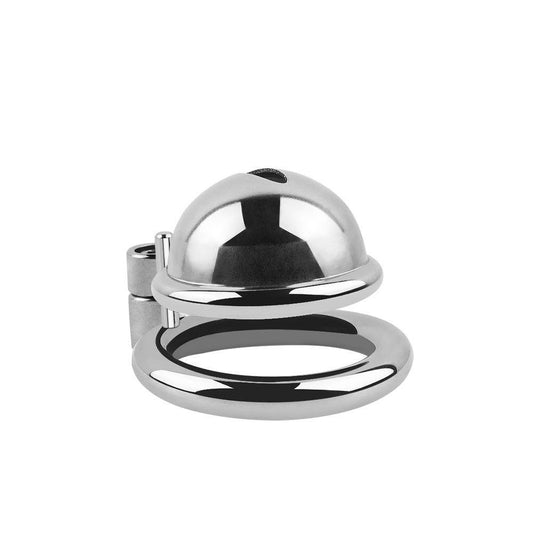
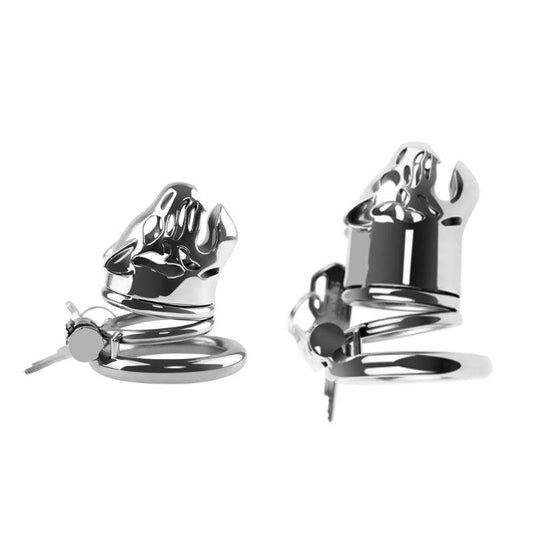
Cleaning your chastity cage is a critical part of ensuring its longevity, comfort, and most importantly, your health. Regular cleaning is necessary not only to prevent infection and irritation but also to ensure that the cage remains in top condition for repeated use. If you’re new to chastity cages or need a refresher, this step-by-step guide will help you understand how to clean your device properly, keep it hygienic, and maintain your comfort.
Why Cleaning Your Chastity Cage Is Important
A chastity cage is worn on the genital area, which is prone to sweat, bacteria, and moisture buildup. Without regular cleaning, this can lead to skin irritation, unpleasant odors, and even infections. Taking care of your chastity cage is just as important as caring for your body to ensure you don’t experience discomfort or health issues during use. Regular cleaning can:
- Prevent skin irritation and discomfort.
- Avoid infections by removing bacteria and sweat buildup.
- Extend the lifespan of the device by preventing corrosion (in metal cages) or deterioration (in plastic or silicone cages).
Step-by-Step Guide to Cleaning Your Chastity Cage
Here’s how to clean your chastity cage safely and effectively to maintain both hygiene and comfort:
Step 1: Remove the Chastity Cage
Before cleaning, remove the chastity cage from your body. If you're wearing a device that locks, make sure you unlock it safely and keep the key in a secure place. It’s always a good idea to clean your cage in a clean, dry environment to avoid contamination.
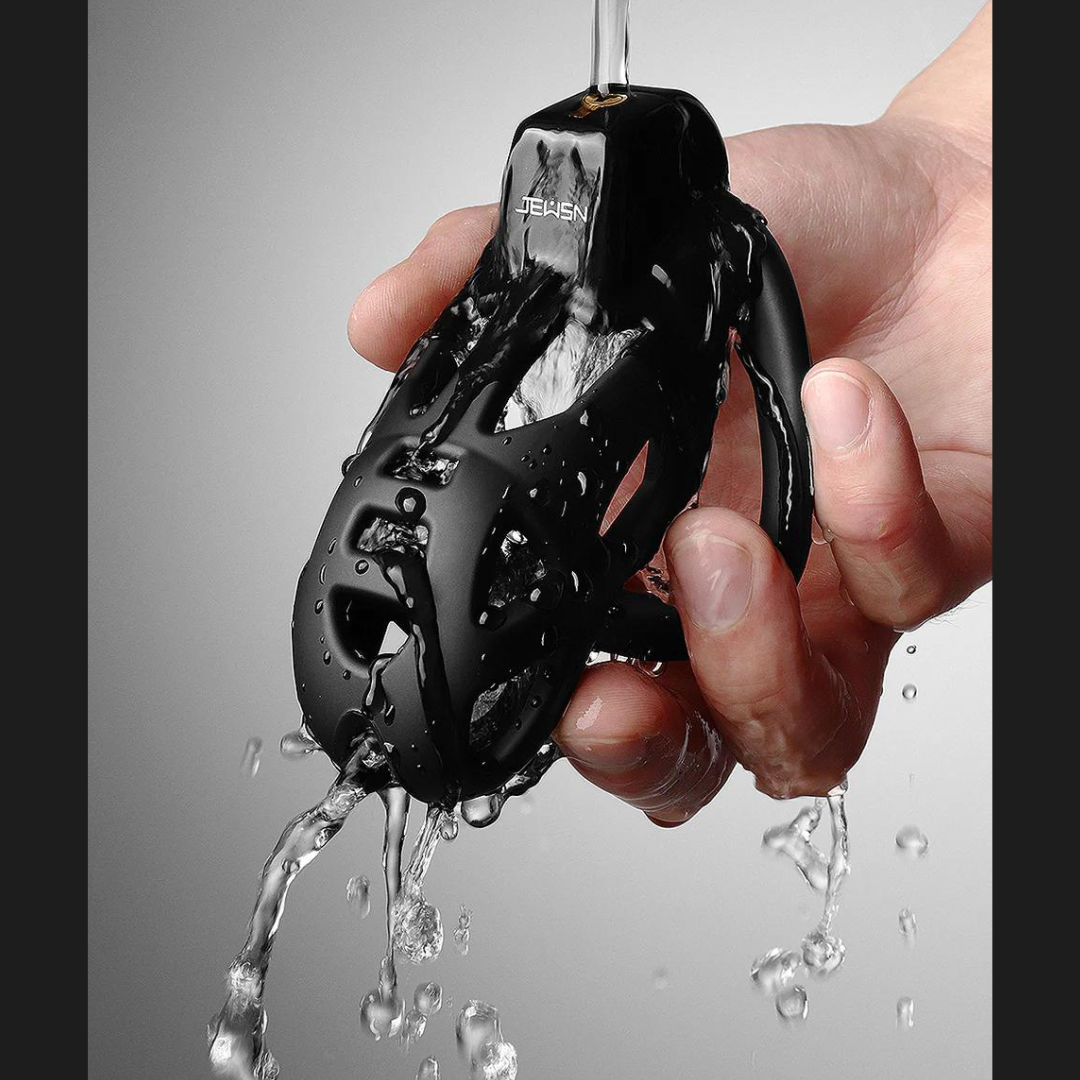
Step 2: Wash the Cage with Mild Soap and Warm Water
- Mild Soap: Choose a gentle, fragrance-free soap to wash the cage. Avoid using harsh chemicals, perfumes, or anti-bacterial soaps with strong ingredients, as they can irritate the skin or damage the material of the cage.
- Warm Water: Use warm water (not hot) to clean the device. Extreme heat can warp plastic or silicone cages, while cold water may not remove all residue effectively.
- Scrub Gently: Use a soft, non-abrasive cloth or a toothbrush to scrub the cage gently. Focus on small crevices, vents, and lock mechanisms, where sweat, oils, and dirt can build up. Be sure to clean both the interior and exterior of the cage thoroughly.
Step 3: Clean the Area of the Body Covered by the Cage
Once the cage is removed, it’s essential to clean the area of your body where the cage has been in contact. This helps to ensure good hygiene and prevent any potential skin problems.
- Wash the Genital Area: Use mild, unscented soap and water to wash the genital area. Be sure to clean under the ring (if your cage uses one) and around any areas where the cage touches your skin.
- Dry Thoroughly: After washing, gently pat the area dry with a soft towel. Make sure the skin is completely dry before reapplying the cage. Moisture can lead to skin irritation or other complications.
Step 4: Dry the Chastity Cage Thoroughly
Proper drying is just as important as cleaning. Leaving moisture on the cage can lead to rust (in metal cages), odor, or the growth of bacteria and fungi.
- Air Dry: Let the cage air dry naturally on a clean, dry surface. Place it on a towel or cloth to absorb excess moisture. Ensure the cage is completely dry before reapplying it.
- Use a Soft Cloth: After air-drying, use a soft microfiber cloth to gently remove any residual moisture, especially from hard-to-reach areas.
Step 5: Reapply the Chastity Cage
Once both the cage and your body are clean and dry, you can reapply the device. Check for comfort and ensure that there is no irritation or chafing. If everything feels good, securely lock the cage back into place.

Additional Tips for Cleaning and Maintaining Your Chastity Cage
To make sure your chastity cage stays clean and comfortable over time, here are some extra tips:
1. Clean Your Cage Regularly
- Daily Cleaning: If you wear the cage frequently, it’s important to clean it daily, particularly if you’re wearing it for long periods. This will help prevent the buildup of sweat, oils, and bacteria.
- Deep Clean Once a Week: In addition to daily cleaning, perform a more thorough clean once a week. Use a toothbrush to scrub any hard-to-reach spots and disinfect the cage with an antiseptic or mild disinfectant.
2. Disinfect the Cage Periodically
To eliminate germs and bacteria that can accumulate in your cage, it’s good practice to disinfect the cage at regular intervals, especially if you’ve been wearing it for extended periods. You can soak the cage in a mild disinfectant or use antibacterial wipes to clean it effectively.
3. Keep Your Skin Clean and Dry
Before reapplying the chastity cage, ensure that the skin is dry and free from moisture. Apply a small amount of baby powder or anti-chafing gel to reduce friction, especially if you're prone to sweating or irritation in certain areas.
4. Choose the Right Material
When cleaning, consider the material of your chastity cage. Metal, silicone, and plastic cages all require slightly different care:
- Metal Cages: Stainless steel is durable and easy to clean but should be thoroughly dried to avoid rust. For lockable metal cages, make sure to keep the lock mechanism dry and clean.
- Plastic and Silicone Cages: These are lighter and more comfortable for long-term wear but may be more prone to absorbing odors. Regular cleaning is especially important for plastic and silicone cages to maintain their appearance and comfort.
5. Check for Wear and Tear
Inspect your chastity cage regularly for signs of damage or wear and tear, such as cracks, rough edges, or a weakened locking mechanism. If you notice any issues, it may be time to replace the cage or perform more thorough maintenance.
Can You Use Any Special Cleaning Products?
While it’s not necessary to use specialized products, there are a few items that can make the cleaning process easier:
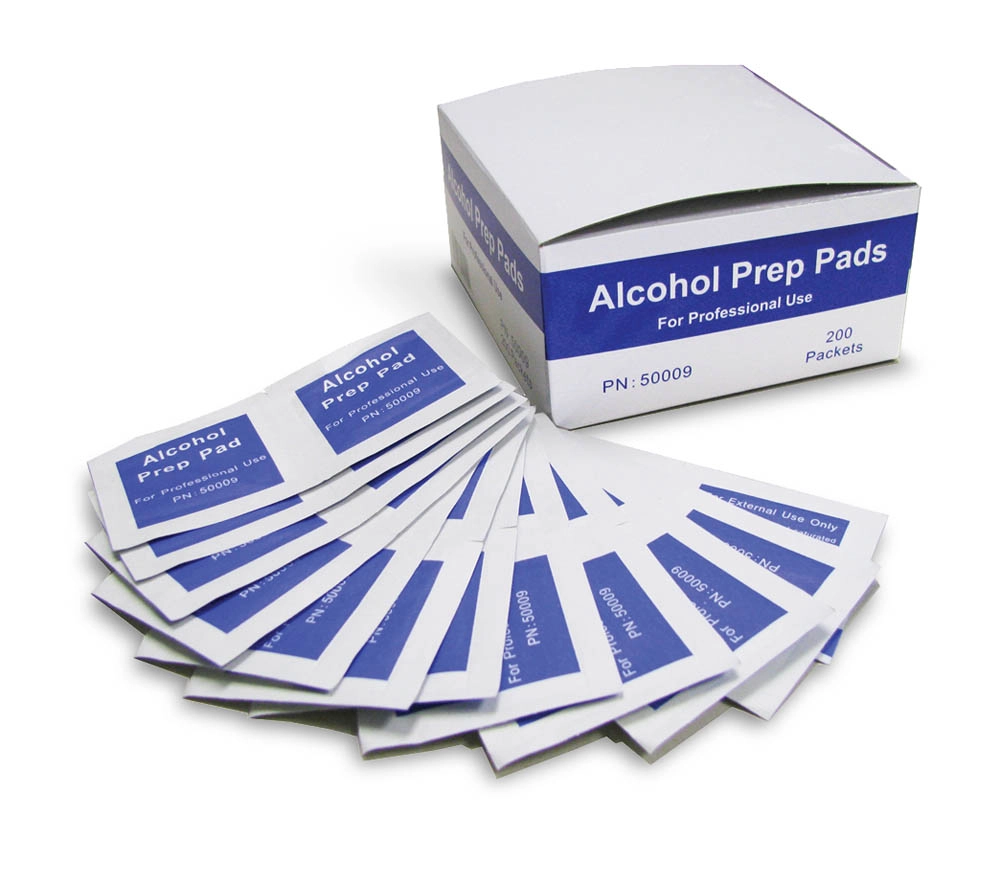
- Antibacterial Wipes: For a quick cleaning between deeper washes, antibacterial wipes can be a convenient solution to remove dirt and bacteria.
- Disinfectant Spray: A mild, non-toxic disinfectant spray can be a good option for sanitizing your chastity cage without harming the material.
- Lubricant for Comfort: When reapplying the cage, consider using a lubricant designed for long-term wear, which can help prevent chafing.
Conclusion:
Cleaning your chastity cage is vital for maintaining comfort, hygiene, and safety. By following these simple steps and practicing good cleaning habits, you can ensure that your cage stays in excellent condition, preventing irritation, infections, and unpleasant odors. Always remember to clean both the cage and the area it covers, and regularly inspect the device for wear and tear to maintain optimal comfort and health.
Need a high-quality chastity cage that’s easy to clean and built for long-term comfort? Visit lockedmenclub.com to explore our wide selection of premium chastity cages. We offer a variety of designs to suit your needs, from beginner models to advanced options. Shop today and experience security and comfort like never before!