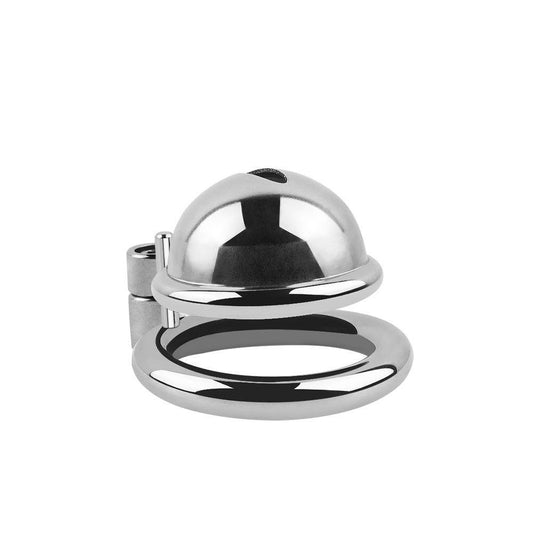
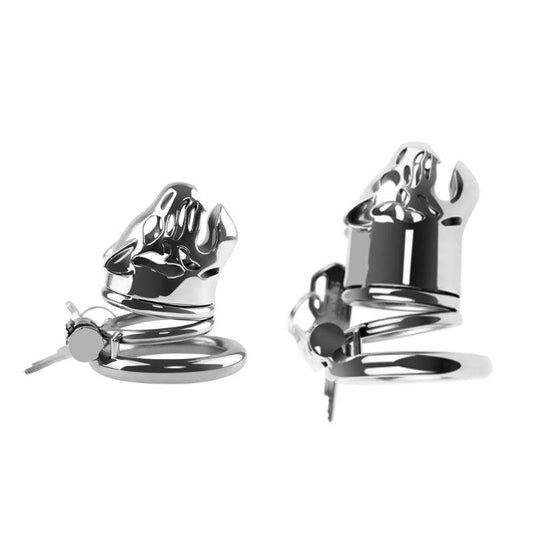
Chastity cages are devices designed to prevent sexual activity by physically restraining access to the genitals. Whether used for sexual discipline, BDSM practices, or as part of a power exchange dynamic, the purpose of a chastity cage is to restrict the wearer’s ability to engage in masturbation or intercourse. While it might seem like a straightforward concept, the mechanism behind how a chastity cage works is rooted in both the physical design of the device and the psychological impact it has on the wearer. In this post, we’ll explore the mechanics of chastity cages, the different types available, and the psychological dynamics at play.
The Physical Mechanics of a Chastity Cage

A chastity cage typically consists of two main components: the cage itself, which encases the penis, and a lock or fastening mechanism that prevents the wearer from removing the device without a key. The cage is often made from materials like stainless steel, plastic, or silicone, with each material offering different levels of comfort, security, and durability.
1. The Cage
- The cage is the main component of the device and comes in a variety of shapes and sizes. The design typically surrounds the penis and locks into place, ensuring that the wearer cannot achieve an erection or engage in sexual activities. The cage may have ventilation holes, which allow air to circulate and reduce the risk of discomfort or hygiene issues. Some designs may also feature additional features like a urethral insert (for urination purposes) or small spikes (for added discomfort).
2. The Locking Mechanism
- The locking mechanism is crucial for the chastity cage to serve its intended purpose. In most cases, a small lock or padlock secures the cage in place, and the wearer does not have access to the key. In some cases, the key may be held by a keyholder, such as a partner, who controls when the device is removed. The sense of being locked and unable to remove the device is one of the core aspects of the psychological dynamic of chastity play, especially in BDSM or power exchange relationships.
3. Sizing and Fit
- Proper sizing is crucial to ensure that the chastity cage is both secure and comfortable. The wearer’s penis size—both in terms of length and girth—determines which size and style of cage will work best. Most chastity cages are adjustable in terms of the ring that sits at the base of the penis, allowing some flexibility in fit. However, it’s essential that the device is snug enough to prevent sexual activity without causing excessive discomfort or constriction.
- The cage should fit snugly, but not so tight that it causes pain, cuts off circulation, or results in bruising. The goal is to ensure that the wearer is unable to engage in sexual activities but is not at risk of physical harm from the device.
How a Chastity Cage Works in Practice
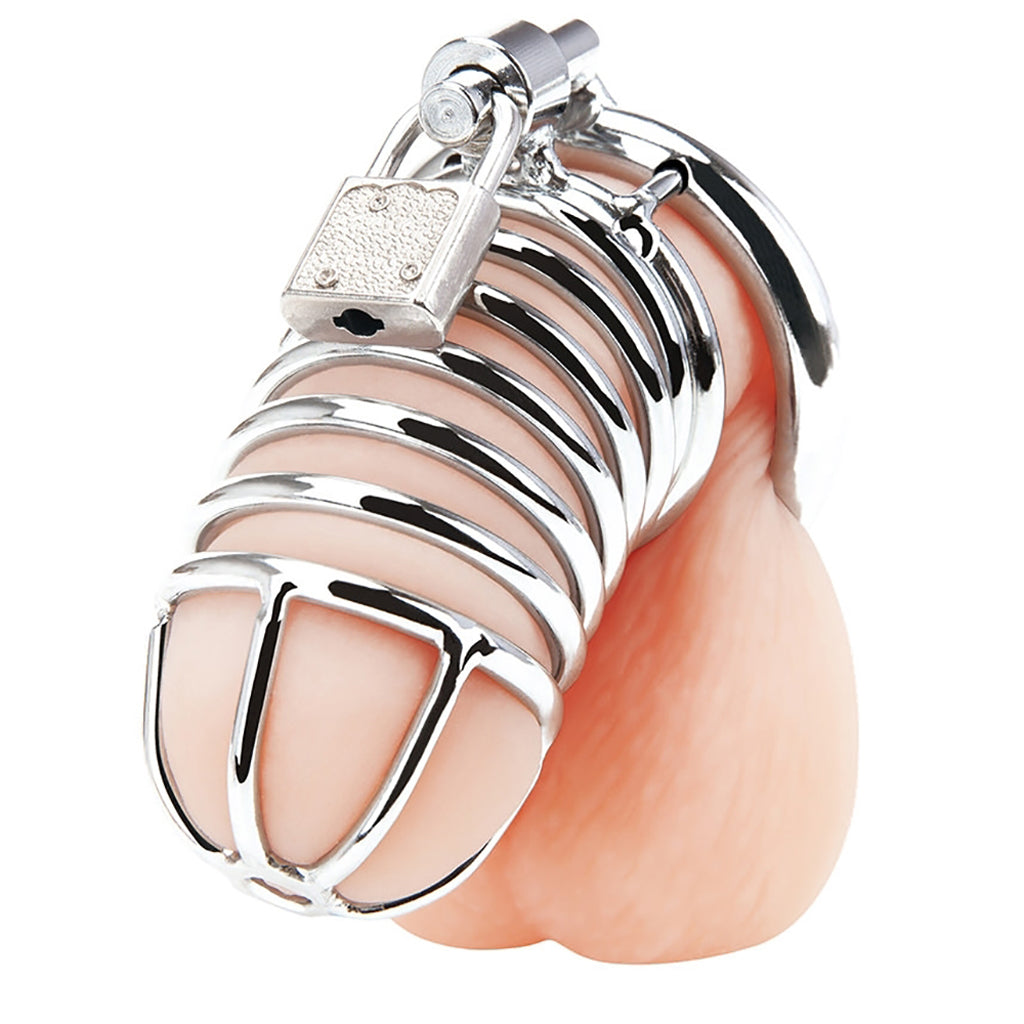
When a person wears a chastity cage, their sexual autonomy is restricted. The wearer is prevented from achieving full erection, which means that sexual release (through masturbation or intercourse) is impossible without the keyholder’s intervention. This restriction can bring a range of psychological and physical experiences. Here's how it works:
1. Preventing Erections and Masturbation
- The primary purpose of a chastity cage is to prevent the wearer from achieving an erection. When the penis is encased in the cage, the device restricts blood flow, making it difficult (or impossible) for the wearer to achieve sexual arousal or satisfaction. This may lead to heightened sexual tension, as the wearer’s sexual urges are denied or delayed.
- Some chastity devices are designed with a smaller interior, restricting movement even further, which can increase the sense of frustration and arousal. This is often the psychological point of the practice—by forcing the wearer to wait for sexual release, the act of denial itself becomes part of the erotic experience.
2. Urination and Hygiene Considerations
- While the cage prevents sexual activity, it’s important to note that most chastity cages are designed to allow the wearer to urinate while still locked. Many cages have ventilation holes or slots, which also help with air circulation to prevent excessive sweating or irritation. Proper hygiene is crucial during prolonged use of a chastity cage, as the device can create a warm and confined environment that may be a breeding ground for bacteria.
- Wearing a chastity cage for long periods also requires regular cleaning. Most users remove the device periodically to wash both the cage and the area of skin it covers. Hygiene is especially important to avoid infections or rashes caused by trapped moisture or bacteria.
3. Psychological Impact: The Power Dynamic
- The most profound effect of wearing a chastity cage isn’t physical—it’s psychological. The act of being locked in a chastity cage often taps into deeper feelings of control, power, and vulnerability. Many users find that wearing a cage transforms their sexual dynamic with their partner, especially in the context of dominance and submission (D/s) relationships.
- The wearer is denied immediate sexual gratification, which can lead to increased feelings of sexual tension. This tension, in turn, can make the eventual release more intense and pleasurable. The cage serves as a constant reminder of the power dynamic at play, with the keyholder (often the dominant partner) controlling the release of sexual pleasure.
- For some individuals, wearing a chastity cage can be a way of expressing trust in a partner, surrendering control, and exploring new forms of intimacy. It can heighten feelings of vulnerability and dependency, which are important aspects of power exchange relationships.
- On the flip side, psychological frustration can also occur if the wearer is not accustomed to extended periods of restraint. Long-term chastity may lead to increased desire, anxiety, or resentment if not managed carefully. Open communication and agreed-upon rules are essential to maintaining the balance between pleasure and frustration.
Different Types of Chastity Cages: Customization and Variety
Chastity cages come in a variety of materials, sizes, and designs to suit individual preferences and needs. Here's a breakdown of some of the different types:
1. Plastic Chastity Cages

- Lightweight and discreet, plastic cages are often chosen for comfort, especially for those new to chastity play. They are generally easier to clean and maintain, making them ideal for daily wear.
2. Metal Chastity Cages

- Metal cages are popular for their durability and security. Stainless steel cages offer a firm, unyielding restraint that appeals to many experienced users. These cages can often be locked more securely and are designed for long-term wear.
3. Silicone Chastity Cages

- Silicone devices are flexible, offering comfort and ease of wear. They may be more comfortable for extended periods but might not provide the same level of restriction as metal or plastic cages.
4. Adjustable Chastity Cages
- Adjustable cages allow the wearer to customize the fit. These are often preferred for those who want to ensure a comfortable, snug fit that prevents discomfort during wear.
5. Urethral Insert Cages

- Some chastity cages feature a urethral insert, which goes into the wearer’s urethra. This type of cage can add a layer of physical discomfort or control, though it should be used with caution to avoid injury or infection.

Conclusion: How Chastity Cages Work
A chastity cage works by physically restricting access to the genitals, preventing sexual activity, and creating a power dynamic between the wearer and their keyholder. The device offers both physical and psychological effects, from the frustration of denied pleasure to the power dynamics inherent in a D/s relationship.
While the mechanics of a chastity cage are relatively straightforward—encasing the penis and preventing erection—the psychological impact can be profound. The act of wearing a chastity cage forces the wearer to confront desires, control, and intimacy in new ways. For many, the device becomes not just a tool for sexual restraint but an integral part of their sexual identity and relationship dynamics.